It absolutely is a gamble, a dangerous gamble. Essentially, when you short a stock, you “borrow” a stock from someone with the promise of giving it back at a certain time. You then sell it, wait for it to drop, then buy it back. You give it back, usually sharing some of the profits you’ve made with the person you’ve borrowed it from.
The problem with that is that if the stock goes up while you’ve borrowed it, you need to buy it back at the deadline of the deal at the price it happens to be at. Unlike normal stock trading where you can only lose up to the money you’ve invested, there is no limit to how much money you can end up losing shorting stocks if things don’t go the way you expected. This is how the whole GameStop stock shorting debacle happened.


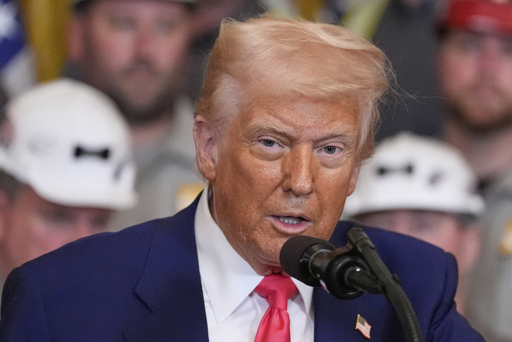
Real reason: His “advisers” cashed out from shorting the stock market and bought stocks back.
Who pays when a stock is shorted? Genuinely curious. Shorting stocks is like gambling right? Who is the house in this scenario?
It absolutely is a gamble, a dangerous gamble. Essentially, when you short a stock, you “borrow” a stock from someone with the promise of giving it back at a certain time. You then sell it, wait for it to drop, then buy it back. You give it back, usually sharing some of the profits you’ve made with the person you’ve borrowed it from.
The problem with that is that if the stock goes up while you’ve borrowed it, you need to buy it back at the deadline of the deal at the price it happens to be at. Unlike normal stock trading where you can only lose up to the money you’ve invested, there is no limit to how much money you can end up losing shorting stocks if things don’t go the way you expected. This is how the whole GameStop stock shorting debacle happened.
Biggest stock surge since October 2008 too, reeks of market shorting. Wish I was rich and morally bankrupt enough to profit off this.