

The article has more in depth discussion than the excerpts that I’ve pulled here, please give it a read if you are curious
VANCOUVER - Maya Cassady was just two months away from graduating high school with honours when she obtained her mental health records through a freedom of information request.
Just hours after reading the contents, which included doctors’ ponderings about a diagnosis, the 17-year-old took her own life.
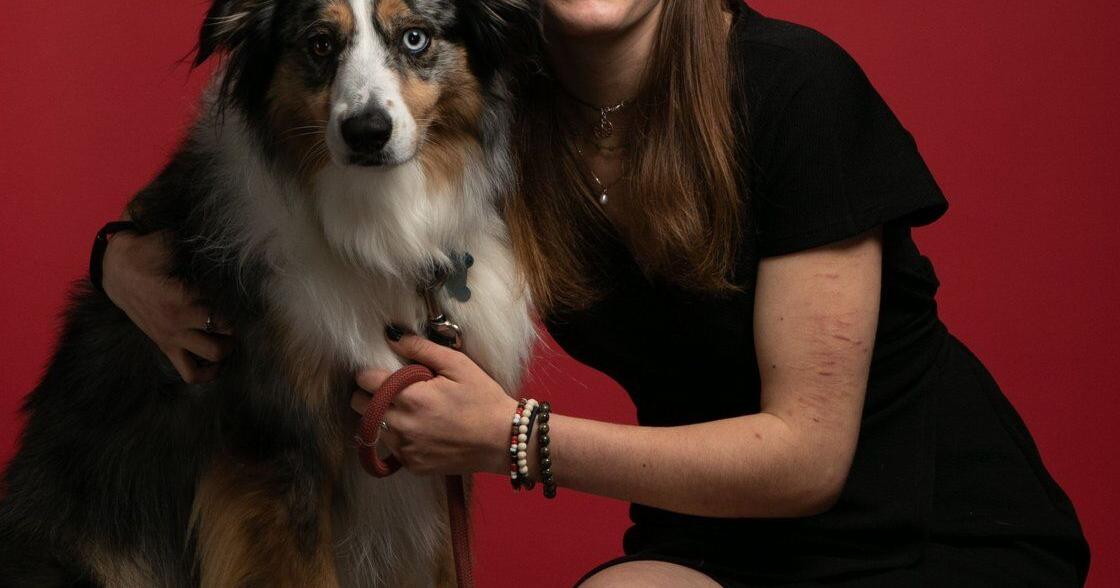
It was March 30, 2023. Since Maya’s death, her mother, Hilary Cassady, has become an advocate for youth mental health, raising flags about young people using FOIs to access their charts — and risking misinterpreting the contents.
Cassady said she believes Maya concluded her mental health condition was untreatable, after reading terminology about her case that was never discussed with either of them.
And while the Office of the Information and Privacy Commissioner of B.C. said the head of a health authority could block the release of documents deemed potentially harmful to a recipient, it said it would “not be possible” to screen all requests.
Cassady said the emergency room psychiatrist who saw Maya on the visit that was the subject of her request did not even know she had sought the records.
In most of B.C.'s health authorities, including Vancouver Coastal Health where Maya was treated, people can request their medical records without the consent of a legal guardian starting at age 12.
Cassady said she was unsure when her daughter made the FOI request, but believes she collected it from the family mailbox the same day she died.
The request, Cassady said, focused on a four-day stay at Lions Gate Hospital in February 2023 after an acetaminophen overdose that a doctor believed was an “impulsive” suicide attempt by Maya.
Cassady said her daughter’s friends reported seeing her reading the FOI documents and Googling terms on her ferry commute to school from Bowen Island, off West Vancouver, and again during her spare period later that morning. She died later that day.
“She had given up hope when she felt that her diagnosis was untreatable — that was the response when she Google searched some of the terminology in the report,” Hilary said of her daughter.
She said she drew that conclusion after looking at her daughter’s phone in the days after her death, trying to piece together her state of mind. She said one of the last search results that showed up in the teen’s phone browser was that her symptoms were “untreatable.”
“That is etched in my brain,” she said of the word, sure of what she saw but noting that she has not been able to duplicate the search results since.
Cassady said her daughter searched, “Is persistent depressive disorder lifelong?” She also looked up terms, including “axis II traits” and “bd-ii,” which most commonly refers to bipolar II, her mother said.
The chart also classified the girl’s “admitting diagnoses” as “chronic dysthymia vs unspecified depressive disorder,” and said the teen was “not acutely suicidal.”
Cassady said Maya had been diagnosed with major depressive disorder but neither of them had been informed of most of the other terms included in her chart, including the working theory she may have undiagnosed borderline personality disorder.
She may have spared herself a large amount of pain and agony and made a rational choice by dying. Many people with borderline personality disorder struggle for decades in misery and then end things decades later. The limited pleasure in those decades may not be worth the immense pain many feel. Perhaps she was highly rational and made an autonomous decision to terminate her suffering.
The problem isn’t open information, the problem is they actively concealed information from her and didn’t list possible treatments, leading her to be shocked when she read it. Psychiatrists need to be open with patients and not hide things in records hoping they aren’t discovered by patients. She could have been discharged with something listing rule-out diagnosis and treatments for each one.
Psychiatrists also overly emphasize a dogma of brains being unable to change because it’s more profitable to have lifetime patients, and this shapes how patients think about their possibilities. If an expert says you’re always going to be broken, very few will challenge that.