

26·
20 hours agoJust turn the wheel a little.
Sorry control yolk yoke
Just turn the wheel a little.
Sorry control yolk yoke

check out A Psalm for the Wild-Built by Becky Chambers
Such a fun little book. Just gave it to a family member for Christmas.

Yeah. I thought one of the more interesting moves the middle entry made was to suggest that Rey wasn’t a super special lost Skywalker (or Kenobi or whatever): she was just some girl from the middle of nowhere who happened to be thrust into greatness. That flies in the face of the “special boy does special things” theme of the series though, so they had to retcon it immediately.
If it bleeds, we can kill it.
It was definitely the strongest of the three (admittedly not a high bar), largely because it had the courage to not just do complete fan service rehashing of the original trilogy again. There were some threads introduced that were somewhat interesting, but they dropped every single one of those threads for the third entry after the response from the fandom was overwhelmingly “we don’t want anything except exactly the same slop we’ve seen half a dozen times already.”
I did a post-doc at one of the schools that’s supposed to be both a really good school and a really good football school, and yeah I can confirm that it fucking sucks to work there. Even at an R1, sports comes first for basically all admins (and many students).
It is wild that COVID has killed more than twice as many Amerikkkans as fucking World War II.
Every academic should be raising hell about this; in a better country, the whole faculty there would be on strike until this person was reinstated. I haven’t heard a peep from FIRE or any of the other “academic freedom” people who are constantly freaking out about “conservative representation” on campus. 
If there’s one thing I know about anarchism, it’s that it can be counted upon to support the government.
Oh if you like his fiction, you’ll love this. It’s still very recognizably his writing–beautifully crafted.
China Mieville’s commentary on The Communist Manifesto (it’s called A Specter Haunting) is both very accessible and very “literary” in style, and so might appeal to a book guy (it also has the full text of the Manifesto). It’s obviously not the most theoretically deep text, but that might be a strength and it does a good job contextualizing the original work in a way that’s very fun to read.
Definitely Jakarta Method and Blackshirts and Reds. Possibly a controversial take, but I might go easy on the overly “historical” texts at first. Things like Capital are definitely essential to read, but probably not the best entry point; lots of original Marx is dense, intimidating, and requires a certain amount charitable/sympathetic reading to get beyond the dated language and examples. I’d stick to stuff that either engages mostly with contemporary (or at least latter-20th century) issues OR was written in the last 50 years at first.
Unlimited genocide on all MBAs
Always pay your guys 
Yeah putting the up as the official picture is a genuinely funny bit.
Gameplay on Solasta is fantastic–closer to tabletop by far than BG3–but hooooo boy the writing leaves something to be desired. Hopefully they put a little more into that for the sequel. Still very worth playing if you’re a CRPG sicko though.

For my climate science class, I did a back of the envelope calculation for what the per-person energy allocation would be if we took global energy production and gave each person an equal share. It was shockingly high–well over the average for even an Amerikkkan household (and that’s per person)–and significantly larger than I was expecting. That’s obviously not a perfect representation since a large chunk of that energy is getting consumed by institutional agents and the like, but it gives a nice glimpse into how unequal consumption actually is: like with everything else, a very small number of people are using mind-blowingly more than their fair share.
I wonder what it is for water.
Altering the climate in any way except through recreational tire fires is communism! 
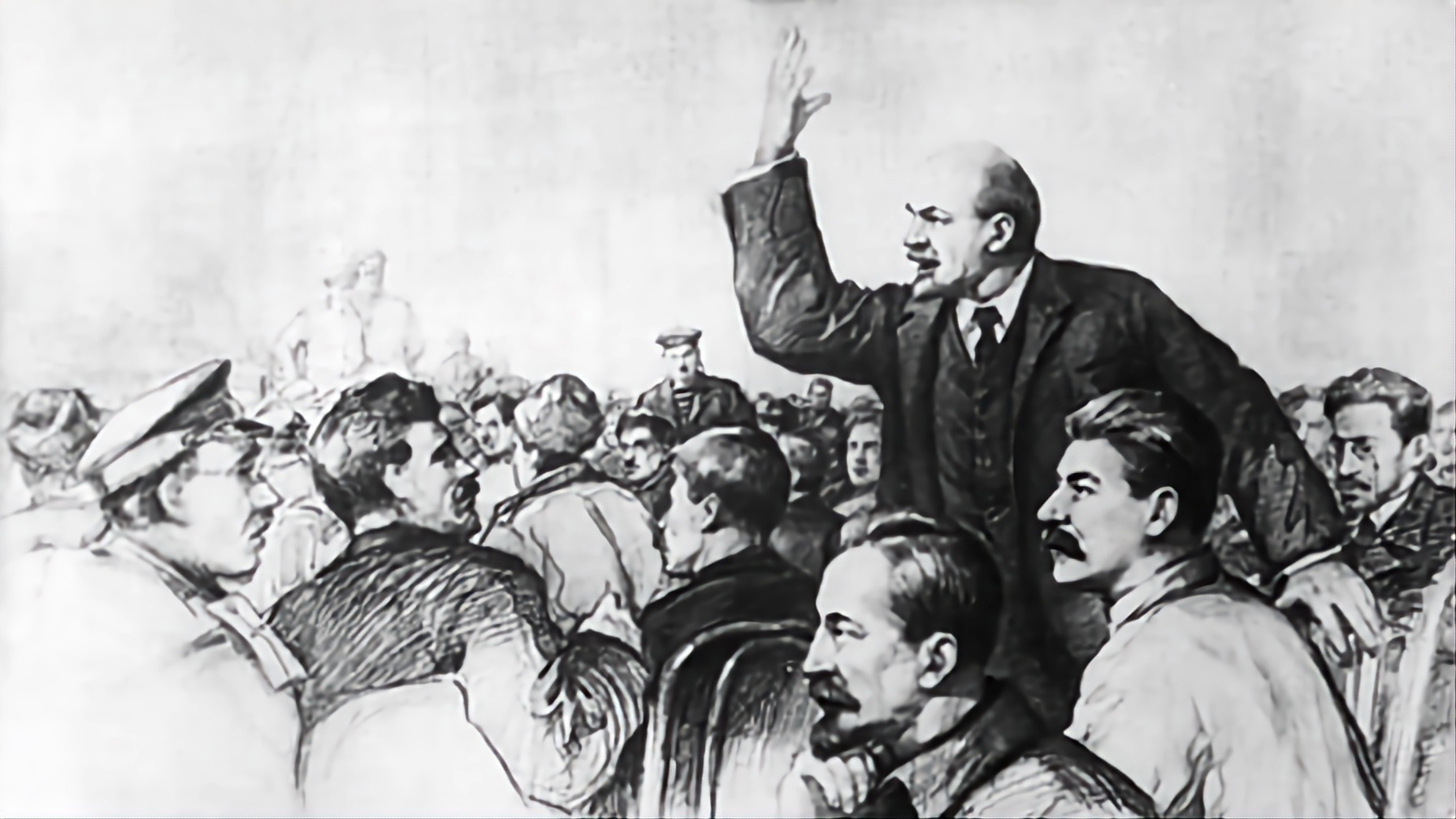
:biblically-accurate-democrat:












The same structures that might help prevent the worst of the collapse–organizing, sustainability, class consciousness, mutual aid–will also be essential to getting though the worst of the collapse if and when it happens. If you live like you’re trying to save the world, you might at least be in a position to save a few people.